Every time we connect online — whether browsing, emailing, or streaming — an IP address works silently in the background. Just like a home address helps postmen deliver letters, an IP ensures information reaches the right device. But beyond being a simple identifier, IPs carry something much more powerful: reputation. In today’s digital world, trust is everything, and the reputation of your IP can decide whether your messages land in inboxes or spam, whether your website is accessible, or whether your activity is blocked.
What Is an IP and Why It Matters
An IP (Internet Protocol address) is the unique label given to every device connected to the internet. It tells the network where information is coming from and where it should go. Without IPs, the internet would be chaos, with no way to find the right device.
But an IP is more than just a number — it’s your digital identity. Every time you send an email, open a site, or log into an app, your IP acts like a digital handshake. If it’s trusted, you’re welcomed; if it’s not, you may be rejected or blocked.
Understanding IP Reputation
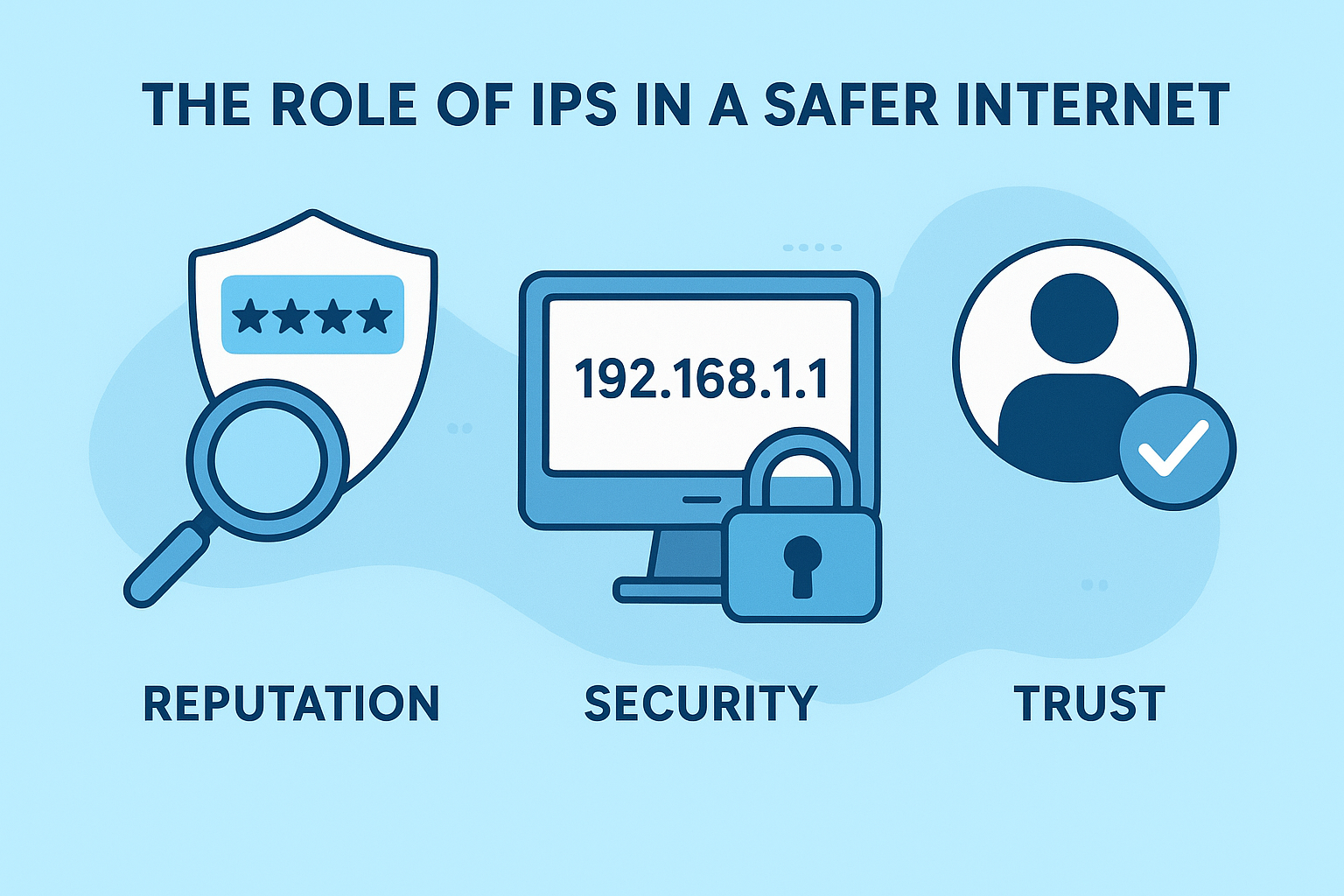
Just as people earn reputations based on their actions, IPs gain reputations based on their online behavior. If an IP is linked to spam, malware, or suspicious activity, it earns a “bad” reputation. A clean, responsible IP, on the other hand, builds a “good” reputation.
This reputation works like a digital credit score — invisible but decisive. It affects whether emails reach inboxes, whether websites allow your visits, and whether online services trust your activity.
Why IPs Get Blocked
Even with the best intentions, an IP can develop a bad reputation. This often happens when:
- A system is hacked and used to send spam or malware.
- Multiple users share the same IP, and one of them engages in abuse.
- Emails are sent in bulk without proper authentication, causing high bounce rates.
- Mail servers are misconfigured, leaving open ports for spammers to exploit.
- Risky services like free VPNs, proxies, or pirated tools are used, which may carry a bad history.
When this happens, emails may land in spam, websites may block access, and online services may throttle or deny requests.
How to Recover an IP from a Block
When an IP gets blacklisted, it can feel like hitting a wall — emails bounce, communication halts, and credibility takes a hit. Recovery, however, is possible with the right approach.
The first step is to identify the block using tools like MXToolbox or blacklist checkers. Once confirmed, the real task is to find the root cause — spam-like behavior, hacked servers, or poor email practices are common culprits.
Next, clean up the system: remove malware, secure servers, and ensure only legitimate, opted-in emails are sent. Adding authentication protocols like SPF, and DMARC goes a long way toward rebuilding trust.
After fixing the problem, submit a removal request to blacklist providers. Some delist quickly, while others take more time and may ask for proof of corrective action.
Finally, recovery is not just about removal — it’s about rebuilding reputation gradually. Start with low volumes of healthy traffic, avoid spam triggers, and monitor your IP using reputation tracking services like Talos Intelligence
How to Build and Maintain a Strong IP Reputation
A strong IP reputation is not automatic; it’s earned through consistent, responsible use. The key steps include:
- Keeping systems secure with firewalls, patches, and malware protection.
- Authenticating all outgoing emails with SPF, DKIM, and DMARC.
- Avoiding spammy content and sending only to verified recipients.
- Warming up new IPs gradually instead of sending bulk messages right away.
- Monitoring your IP reputation with tools like Barracuda Central.
Think of it like managing your credit score — responsible actions, constant monitoring, and quick corrections keep your IP healthy and trusted.
The Importance of IP Warm-Up in Building IP Reputation
A critical step in building and protecting IP reputation is IP warm-up, which means gradually increasing the volume of emails or traffic sent from a new or recently blocked IP address. For example, if you have 10,000 subscribers and a fresh IP, blasting all of them on day one would almost certainly trigger spam filters. Instead, you might start by sending 50–100 emails a day to your most engaged users, then slowly increase the volume over days or weeks. This steady growth, combined with good engagement (opens, clicks, low bounces), signals to email providers that your activity is genuine and trustworthy. Just like building trust with a new neighbor, consistent and responsible behavior over time helps your IP earn a strong reputation and ensures your emails reach the inbox instead of spam.
Building a Safer Internet Together
IPs may look like simple numbers, but they are the foundation of trust on the internet. A good IP reputation acts like a passport that lets you move freely online, while a bad one can restrict you at every step.
As more devices and services connect to the internet, responsibly managing IP reputation will be critical to creating a safer, more secure, and more trustworthy digital world.
References & Further Reading
- RFC 791 — Internet Protocol (IPv4). IETF Datatracker
- RFC 8200 — Internet Protocol, Version 6 (IPv6) Specification. IETF Datatracker
Spamhaus — IP reputation overview and blocklist resources. The Spamhaus Project